Kathryn Dalke and the Execution Behind Modern Voter Contact
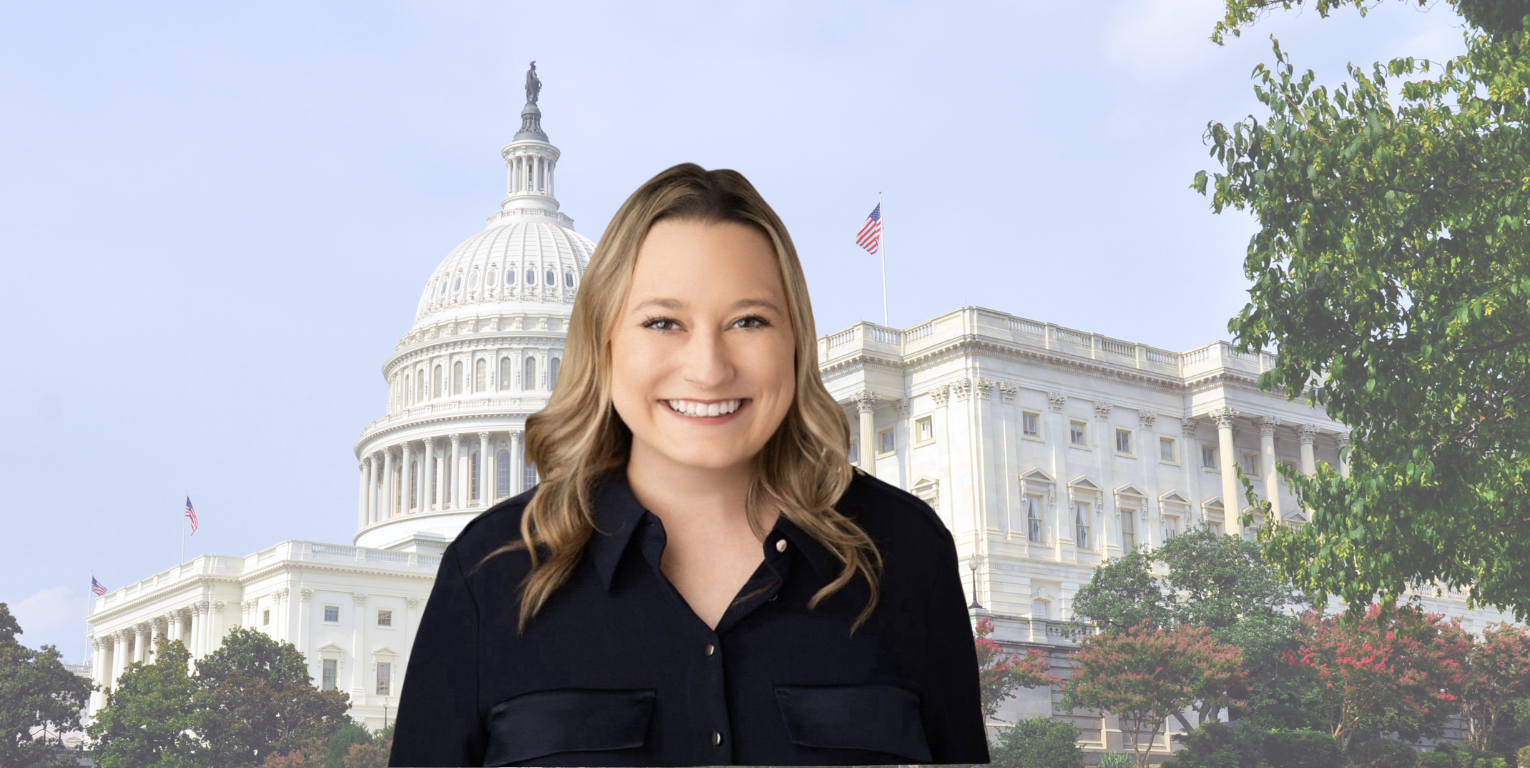
Campaigns succeed or fail on execution. Strategy sets direction, but outcomes are decided by whether programs are built, funded, delivered, and sustained. Kathryn Dalke, Vice President of Direct Voter Contact and Business Development at Echo Canyon Consulting, is responsible for that work.
Dalke leads Echo Canyon’s mail operations from start to finish. That means overseeing planning, budgeting, reviewing copy and design, coordinating print and vendors, and making sure mail hits homes when it is supposed to. Her role sits at the intersection of strategy and operations, where decisions have real consequences.
Built Inside Campaigns
Dalke entered politics while studying at Southern Methodist University. A professor-organized trip to Washington, D.C. led to an internship with Congressman Kevin Brady. She stayed in political work after returning to school and built her career inside campaign and party operations.
She went on to work for Congressman Pete Sessions and Congressman Roger Williams, supported campaigns of all levels, and served as Executive Director of the Dallas County Republican Party where she dealt firsthand with fundraising pressures, election logistics, and organization building. Those experiences shaped her approach to voter contact.
Mail Built to Perform
At Echo Canyon, Dalke treats mail as a core voter contact program. The scale of the work requires constant coordination between strategy, compliance, targeting, creative, and production. Timing, messaging, and execution are managed together, because separating them creates failure points.
That mindset was reinforced during the 2020 cycle in Texas. COVID disrupted traditional campaigning and sharply reduced candidate visibility. Some campaigns pulled back. Others adapted. The cycle became a stress test for which voter contact programs could still perform when normal operations broke down.
Dalke’s takeaway wasn’t ideological. It was practical. Programs that were planned early, funded correctly, and executed with discipline held up. Programs that weren’t built for that kind of pressure didn’t.
Life Outside the Calendar
Dalke lives in downtown Dallas. Travel fills most available time between cycles. When she is home, her schedule revolves around her border collie, Annie, now ten years old.
She remains closely tied to Southern Methodist University as a football and basketball season ticket holder. Like many in political consulting, personal time is structured around campaign calendars rather than the other way around.
A Durable Sector
Dalke views political consulting as a durable industry. Tools change. Platforms evolve. The need for direct voter contact remains. Campaigns continue to depend on systems that can scale under pressure.
She believes the field is a great one to enter, especially for people with drive. The work is demanding, but it’s also collaborative, and young professionals who show up and take initiative tend to find a lot of support along the way.
How Echo Canyon Operates
Dalke credits Echo Canyon’s culture as a big reason that the firm works as well as it does. The team operates without internal competition for visibility. Roles are clear, collaboration is constant, and people are invested in each other’s success. Performance is measured by delivery.
That kind of environment makes the work better, the results stronger, and the long days a lot more fun.
Where Outcomes Are Decided
Dalke works directly with clients, helping shape voter contact strategy from the earliest stages through execution. In addition to leading direct voter contact programs, she plays a central role in business development and marketing, building relationships that drive Echo Canyon’s growth.
In modern campaigns, outcomes are decided not just by ideas, but by how well strategy and execution are aligned. Dalke’s role sits at that intersection, turning plans into programs that reach voters and deliver results.